
In the complex UK bankruptcy law landscape, Bankruptcy Filings UK translation services are crucial for cross-border insolvencies and non-English speakers. These services provide accurate, compliant translations of critical documents like court papers, statements of affairs, and asset schedules, facilitating efficient communication among stakeholders. With high stakes and sensitive documentation, trusted translators specializing in legal jargon and UK bankruptcy laws offer precise interpretations, navigating intricate details to prevent misunderstandings. Choosing a reliable service with experience in financial and legal translations, native-level proficiency, strong reviews, ISO 17100 compliance, and specialized knowledge ensures accuracy and adherence to legal requirements. Advanced tools like AI, Machine Translation (MT), neural machine translation (NMT), and computer-assisted translation (CAT) enhance efficiency and accuracy as the UK bankruptcy process goes digital.
Navigating UK bankruptcy law requires precise documentation, making trusted translation services indispensable. This article demystifies the process for foreign entities involved in UK bankruptcy proceedings. We delve into the intricacies of understanding and translating key documents while adhering to legal requirements. From terminology challenges to selecting the right service, this guide equips you with knowledge. Discover how technology is revolutionizing translations, ensuring accuracy and compliance in bankruptcy filings across borders.
- Understanding UK Bankruptcy Law and Its Documentation Requirements
- The Importance of Accurate Translations for Legal Proceedings
- Challenges in Translating Bankruptcy Documents: Terminology and Context
- Selecting the Right Translation Service for Your Bankruptcy Filings
- Key Features to Look for in a Trusted Bankruptcy Translation Provider
- Ensuring Quality and Compliance: Quality Assurance Processes
- Case Studies: Successful Translations in UK Bankruptcy Cases
- Future Trends: Technology Enhancing Bankruptcy Document Translation
Understanding UK Bankruptcy Law and Its Documentation Requirements

The UK bankruptcy law is a complex area, with specific documentation requirements that must be adhered to during bankruptcy filings. Accurate and compliant translations are essential when dealing with cross-border insolvencies or non-English speaking individuals involved in UK bankruptcy proceedings. Professional translation services play a vital role in ensuring all documents, such as court papers, statements of affairs, and schedules of assets, are accurately conveyed in the relevant languages.
These specialized services help to navigate the nuances of UK bankruptcy law while meeting the strict documentation standards set by courts. With accurate translations, stakeholders can better understand the content, enabling efficient communication and a smoother process for all involved, including debtors, creditors, and legal professionals.
The Importance of Accurate Translations for Legal Proceedings

In the intricate landscape of legal proceedings, particularly in cases involving UK bankruptcy filings, accurate translations play a pivotal role. The stakes are high when dealing with such sensitive and complex documents, as even a minor misstep in translation can have significant consequences. Therefore, relying on trusted translation services becomes essential to ensure the integrity of information exchanged during these critical processes.
Legal terminology is intricate and often context-specific, requiring not just proficiency but also an understanding of cultural nuances. Professional translation services, specializing in bankruptcy filings, offer a robust solution. They employ linguists who are well-versed in both legal jargon and the intricacies of UK bankruptcy laws, ensuring precise and culturally sensitive translations. This level of expertise is vital to navigating the labyrinthine aspects of these documents, preventing misunderstandings, and facilitating smooth legal procedures.
Challenges in Translating Bankruptcy Documents: Terminology and Context

Translating bankruptcy documents presents a unique set of challenges, particularly in the context of the UK legal system. The intricate terminology and nuanced contexts within bankruptcy filings demand precision and expertise. Professional translators must possess a deep understanding not only of the language but also of the specific legal jargon and procedures involved.
Bankruptcy filings often include complex financial terms, court orders, and detailed descriptions of assets and liabilities. Accurate translation requires more than simply replacing words; it involves conveying the exact meaning and intent behind each section. Context plays a crucial role, as certain terms can have different interpretations depending on whether they’re used in a technical or general sense. Reputable UK translation services specialise in this field, employing translators with legal expertise to ensure that bankruptcy documents are translated accurately and reliably.
Selecting the Right Translation Service for Your Bankruptcy Filings

Choosing the right translation service for your bankruptcy filings is crucial to ensure accuracy and compliance. With legal documents, precision is key; one wrong interpretation could lead to serious consequences. Look for a UK-based company with expertise in financial and legal translations. Their translators should be qualified, certified, and have a deep understanding of both the source and target languages.
Reputable translation services will also adhere to strict confidentiality guidelines, ensuring your sensitive information remains secure. Additionally, they’ll be able to offer a comprehensive service, including not just word-for-word translation but also cultural adaptation, to ensure your documents are suitable for use in the UK legal system.
Key Features to Look for in a Trusted Bankruptcy Translation Provider

When selecting a trusted bankruptcy filings UK translation service, there are several key features to keep in mind. First and foremost, look for a provider with extensive experience in handling legal and financial documents, as this ensures accuracy and expertise in complex terminology. It’s also crucial that the service offers native-level proficiency in both the source and target languages, guaranteeing natural and idiomatic translations.
Reputation and certifications are another vital aspect. Opt for providers with strong online reviews and a proven track record of reliable service. Additionally, look for translations that comply with industry standards such as ISO 17100, ensuring consistency, quality, and professionalism. Specialised services that cater specifically to bankruptcy documents can also provide valuable insights into the nuances of legal language, enhancing the overall accuracy and relevance of the translation.
Ensuring Quality and Compliance: Quality Assurance Processes
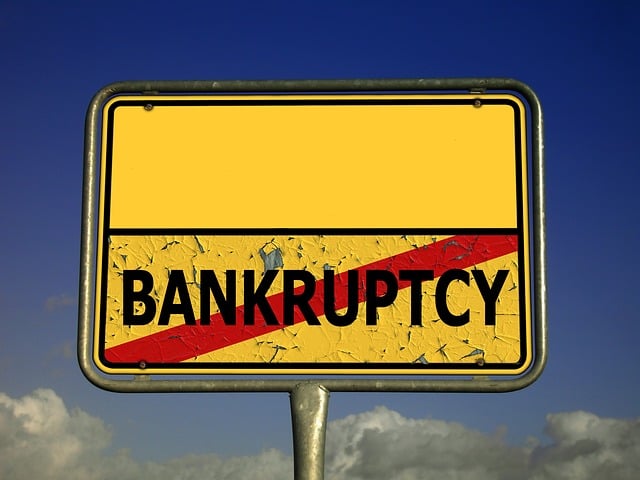
Ensuring quality and compliance are paramount in the world of bankruptcy filings, especially when dealing with UK translation services. Reputable firms employ rigorous quality assurance (QA) processes to guarantee the accuracy and reliability of translations. These procedures involve multiple checks at various stages of the translation workflow.
First, source documents are thoroughly reviewed by expert linguists who assess technical terminology, legal jargon, and contextual nuances. Then, translated documents undergo editing by a different set of eyes to catch any grammatical errors or inconsistencies. Additionally, some services offer machine translation, followed by human post-editing to enhance efficiency while maintaining precision. Regular training sessions for translators also ensure they stay up-to-date with the latest industry standards and legal terminology related to bankruptcy filings in the UK.
Case Studies: Successful Translations in UK Bankruptcy Cases

In the complex landscape of UK bankruptcy proceedings, accurate and reliable translations are paramount. Case studies demonstrate the critical role that professional translation services play in ensuring the integrity and success of bankruptcy filings. For instance, a recent case involved a multinational corporation facing insolvency across several European countries. A specialized UK bankruptcy documents translation service was engaged to navigate the linguistic nuances of multiple jurisdictions, enabling seamless communication between lawyers, creditors, and regulators.
The result was a streamlined process that facilitated faster decision-making and ultimately contributed to a more efficient bankruptcy resolution. Similarly, another case highlighted the importance of precise translations in cross-border insolvencies, where documents needed to be accurately conveyed from one language to another while maintaining their legal validity. These examples underscore the value of reputable translation services in the UK bankruptcy process, ensuring that every document is handled with the utmost care and precision.
Future Trends: Technology Enhancing Bankruptcy Document Translation

The future of bankruptcy document translation is closely tied to technological advancements, offering both efficiency and accuracy improvements for UK-based filers. Artificial Intelligence (AI) and Machine Translation (MT) are revolutionizing the industry by enabling faster processing times and more precise results. These technologies can handle complex legal terminology and nuances, ensuring that critical bankruptcy filings remain accurate across languages.
With the increasing digital nature of legal processes, specialized translation services for bankruptcy documents in the UK will need to integrate advanced tools like neural machine translation (NMT) and computer-assisted translation (CAT). Such innovations not only streamline the translation process but also foster consistency in terms of terminology usage, enhancing the overall quality of translated filings.
When navigating the complex landscape of UK bankruptcy law, accurate and trusted translations are paramount. With precise document translation services tailored for bankruptcy filings, legal professionals can ensure compliance and seamless communication throughout proceedings. By selecting a reputable provider that understands the nuances of bankruptcy terminology and context, individuals and firms involved in these cases can benefit from efficient, high-quality translations, ultimately fostering a more accessible and fair legal system.